Celtic Animal Symbolism Guide
To understand celtic animal symbolism, you must step into a world where the veil between the physical realm and the spiritual "Otherworld" is paper-thin. In Celtic mythology, animals were not merely background characters or simple allegories. They were frequently gods in disguise, fearsome protectors of the land, and keepers of ancient wisdom.
The ancient Celts observed the natural world with profound reverence. They believed that by aligning themselves with the specific traits of an animal—such as the strength of the boar or the vision of the raven—they could invoke that power in their own lives.
Whether you are studying your ancestry or exploring how to find your spirit animal through a Celtic lens, here is a complete guide to the most vital creatures in Celtic lore and the concept of mythic shapeshifting.
The Magic of Celtic Shapeshifting
One of the most unique aspects of Celtic animal symbolism is the frequent occurrence of shapeshifting. In many myths, human heroes, druids, and deities transform into animals (or vice versa) to escape danger, learn a lesson, or enact revenge.
This lore points to a deep psychological understanding of transformation. The Celts believed that the human soul was fluid. To take on the form of an animal meant to completely shed human limitations and tap into primal instinct. When an animal appears in a Celtic tale, it is often a reminder that things are not as they appear, and profound transformation is always possible.
Key Creatures in Celtic Animal Symbolism
While the Celtic world spanned many tribes and regions, certain animals consistently emerge in their art, folklore, and knotwork.
The Stag: Lord of the Forest
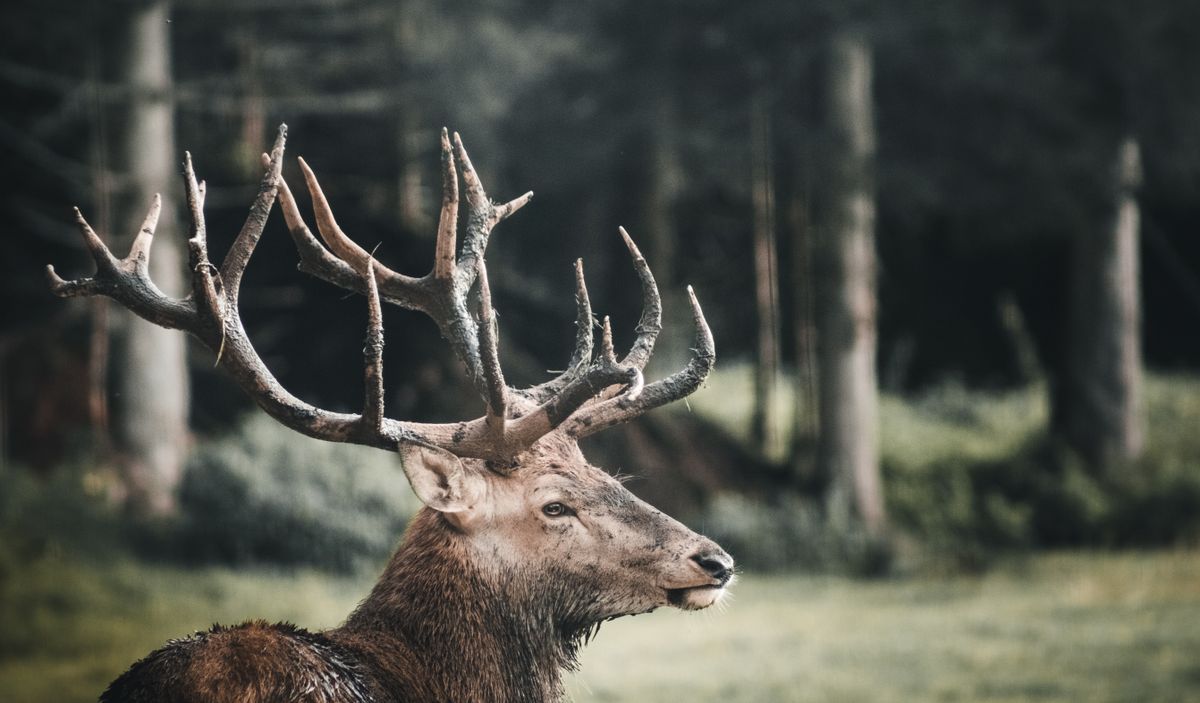
The stag (or male deer) is perhaps the most iconic Celtic symbol. Known as the "Lord of the Forest," the stag is heavily associated with Cernunnos, the horned god of nature and fertility. Because a stag sheds its antlers in the winter and grows them back in the spring, it is one of the most powerful ancient animals that symbolize rebirth. The stag represents male energy, independence, pride, and the untamed wilderness.
The Salmon: Keeper of Wisdom
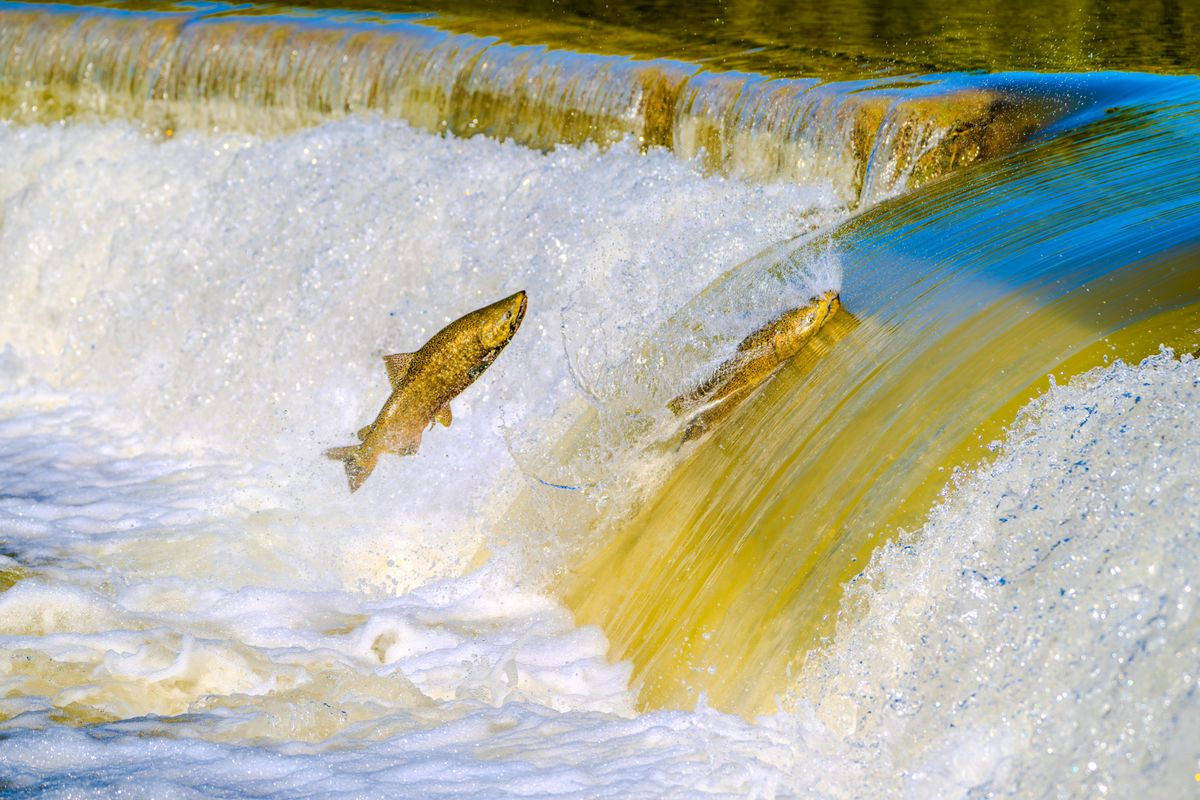
In Celtic lore, the salmon is the ultimate keeper of knowledge. The most famous story is that of the "Salmon of Knowledge," a fish that ate nine magical hazelnuts that fell into the Well of Wisdom. It was said that whoever ate the salmon would gain all the knowledge in the world. Symbolically, the salmon represents deep, esoteric wisdom, perseverance (as it swims upstream against the current), and prophetic vision.
The Raven (and Crow): Messengers of Death and Magic
The Morrigan, the terrifying and powerful Celtic goddess of war and fate, famously took the form of a raven or crow. Because they feed on the dead, ravens were heavily associated with battlefields and the afterlife. However, they were not purely seen as evil. They were respected as mystical messengers, prophets of the future, and symbols of powerful, untamed magic.
The Boar: Courage and Ferocity
While modern culture often overlooks the wild boar, the Celts revered it. The boar was the ultimate symbol of fearlessness, stubbornness, and warrior spirit. Because a boar will fight to the death to protect itself, Celtic warriors often wore boar crests on their helmets to invoke its unstoppable courage in battle.
The Takeaway: Invoking Celtic Energy
Celtic animal symbolism asks us to view the natural world with a sense of awe and healthy respect. These animals are not passive pets; they are fierce, wild, and incredibly wise.
When you feel drawn to a Celtic animal symbol, ask yourself what primal energy you are missing in your modern life. Do you need the fierce boundaries of the boar? The quiet, deep wisdom of the salmon? Or the proud, independent spirit of the stag? By studying these ancient archetypes, we can reconnect with the wildness we have lost.
Frequently Asked Questions
What is the most sacred animal in Celtic mythology?
The stag and the bull are often considered the most sacred land animals, representing fertility, power, and the untamed forest. The salmon is widely considered the most sacred water creature, symbolizing ultimate wisdom.
Did the Celts believe in spirit animals?
The modern concept of a "spirit animal" did not exist in ancient Celtic culture exactly as we view it today. However, they deeply believed in animal totems, shapeshifting, and animals acting as divine guides from the Otherworld.